Cart
0
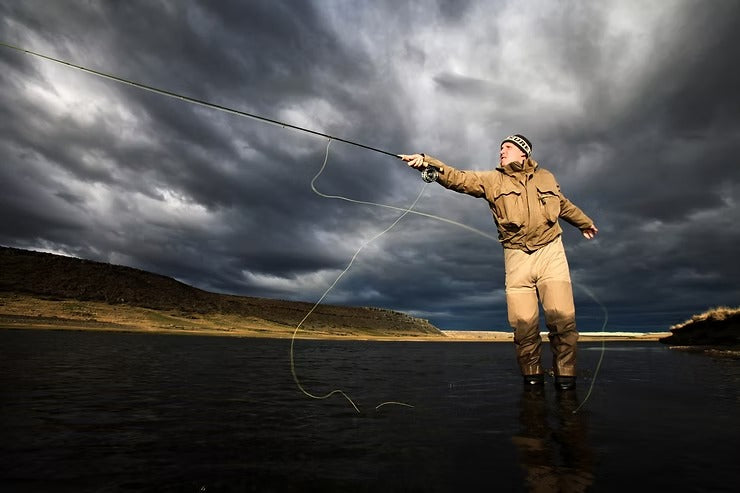
Casting large flies for Pike and Muskie is both an art and a science, requiring specific techniques to effectively deliver these hefty patterns to aggressive predators. At the Northern Fishing School, we understand the challenges and rewards of targeting these formidable fish. Here's an in-depth guide to refining your casting skills for Pike and Muskie fly fishing.
10 𝐓𝐢𝐩𝐬 𝐟𝐨𝐫 𝐂𝐚𝐬𝐭𝐢𝐧𝐠 𝐋𝐚𝐫𝐠𝐞 𝐅𝐥𝐢𝐞𝐬
1. 𝐂𝐡𝐨𝐨𝐬𝐞 𝐭𝐡𝐞 𝐑𝐢𝐠𝐡𝐭 𝐑𝐨𝐝 𝐚𝐧𝐝 𝐑𝐞𝐞𝐥: An 8-10weight rod is ideal for casting large flies, providing the backbone needed to handle hefty patterns and powerful fish. Pair it with a reel featuring a smooth drag system to manage the aggressive runs of Pike and Muskie.
2. 𝐌𝐚𝐬𝐭𝐞𝐫 𝐭𝐡𝐞 𝐃𝐨𝐮𝐛𝐥𝐞 𝐇𝐚𝐮𝐥: The double haul technique is essential for casting large flies. This method involves pulling quickly on the fly line with your non-casting hand, increasing line speed and power. Learn more about the double haul technique.
3. 𝐔𝐬𝐞 𝐭𝐡𝐞 𝐑𝐢𝐠𝐡𝐭 𝐅𝐥𝐲 𝐋𝐢𝐧𝐞: Opt for a fly line specifically designed for Pike and Muskie, such as a weight-forward taper. These lines help load the rod quickly and efficiently, making it easier to cast large flies.
4. 𝐒𝐡𝐨𝐫𝐭𝐞𝐧 𝐘𝐨𝐮𝐫 𝐋𝐞𝐚𝐝𝐞𝐫: A shorter leader, around 3 to 5 feet, helps turn over large flies more effectively. Use a thicker leader to provide the necessary strength and stiffness.

5. 𝐅𝐨𝐜𝐮𝐬 𝐨𝐧 𝐂𝐚𝐬𝐭𝐢𝐧𝐠 𝐌𝐞𝐜𝐡𝐚𝐧𝐢𝐜𝐬: Maintain tight loops and smooth casting strokes to ensure accuracy and distance. Practice your casting mechanics to avoid fatigue and improve consistency.
6. 𝐔𝐭𝐢𝐥𝐢𝐳𝐞 𝐖𝐚𝐭𝐞𝐫 𝐋𝐨𝐚𝐝𝐢𝐧𝐠 𝐓𝐞𝐜𝐡𝐧𝐢𝐪𝐮𝐞𝐬: Water loading involves using the resistance of the water to help load the rod. This technique is especially useful when casting heavy flies or dealing with wind. Watch a video on water loading.
7. 𝐄𝐱𝐩𝐞𝐫𝐢𝐦𝐞𝐧𝐭 𝐰𝐢𝐭𝐡 𝐅𝐥𝐲 𝐒𝐢𝐳𝐞𝐬 𝐚𝐧𝐝 𝐂𝐨𝐥𝐨𝐫𝐬: Choose flies in a variety of sizes and colors to match different water conditions and prey species. Sizes 2/0 to 5/0 are typically effective for Pike and Muskie.
8. 𝐀𝐝𝐚𝐩𝐭 𝐭𝐨 𝐖𝐞𝐚𝐭𝐡𝐞𝐫 𝐂𝐨𝐧𝐝𝐢𝐭𝐢𝐨𝐧𝐬: Windy conditions can pose a challenge when casting large flies. Adjust your casting angle and use sidearm casts to cut through the wind.
9. 𝐏𝐫𝐚𝐜𝐭𝐢𝐜𝐞 𝐑𝐞𝐠𝐮𝐥𝐚𝐫𝐥𝐲: Consistent practice is key to mastering the art of casting large flies. Dedicate time to honing your skills, both on and off the water.

10. 𝐒𝐭𝐚𝐲 𝐏𝐚𝐭𝐢𝐞𝐧𝐭 𝐚𝐧𝐝 𝐏𝐞𝐫𝐬𝐢𝐬𝐭𝐞𝐧𝐭: Casting large flies can be demanding, but persistence pays off. Stay focused and patient, and you'll increase your chances of success.
𝐂𝐨𝐧𝐜𝐥𝐮𝐬𝐢𝐨𝐧
By incorporating these tips into your fly fishing routine, you'll improve your ability to cast large flies for Pike and Muskie. For more expert advice and personalized instruction, consider joining us at the Northern Fishing School.